

Agency Marketing: The Practical Way Businesses Learn to Grow

Most businesses do not start with the idea of using agency marketing. They usually start with confidence and good intentions.
“We will manage marketing ourselves.”
“Our product is strong; marketing will happen naturally.”
“It is just posting and running ads.”
Then reality shows up.
The website looks good but gets no leads. Ads spend money but do not bring sales. Social media is active, yet customers remain silent. This is usually when businesses begin to understand the real value of agency marketing.
What Is Agency Marketing?
Agency marketing is the process of hiring a professional marketing agency to plan, manage, and improve your marketing efforts. Instead of guessing what might work, businesses rely on experienced marketers who use strategy, data, and testing.
In simple words, agency marketing helps businesses stop guessing and start making informed decisions.
You focus on running your business.
The agency focuses on making people notice it.
Why Marketing Is Important Today
Marketing is no longer limited to posters, flyers, or word of mouth. Today, customers search online, compare brands, read reviews, and judge businesses based on their digital presence.
Agency marketing exists because:
- Marketing platforms change frequently
- Competition is high in almost every industry
- Customers expect professional communication
- Data matters more than opinions
Trying to keep up with everything alone often leads to confusion. Agency marketing brings clarity and consistency.
Strategy Comes Before Action
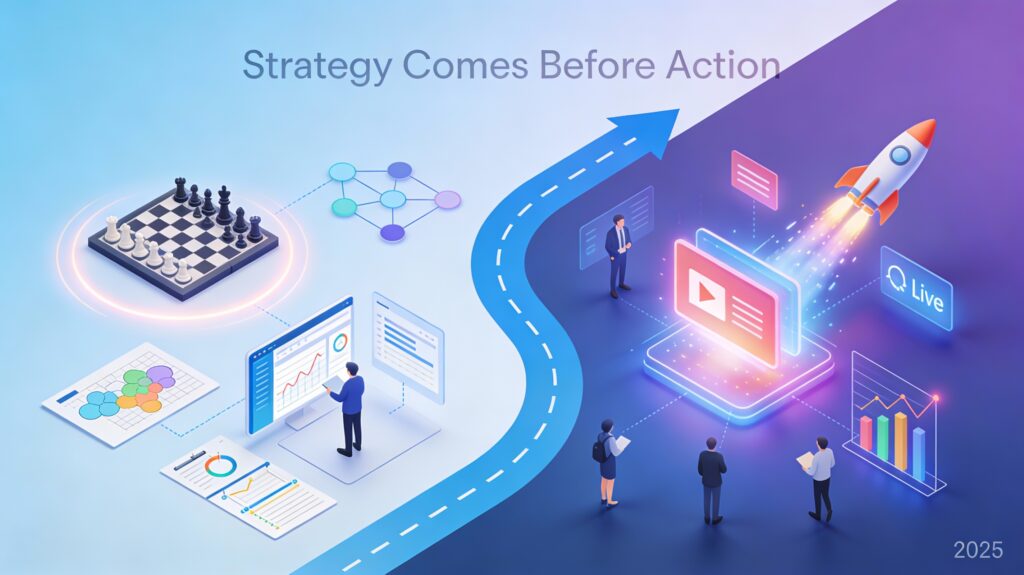
One of the biggest differences between casual marketing and marketing is planning.
Agencies do not post content randomly or run ads without purpose. Every step starts with a strategy. This includes understanding the target audience, defining goals, and choosing the right platforms.
Without strategy, marketing becomes noise.
With strategy, marketing becomes direction.
What Does Marketing Include?
Marketing is not just one service. It is a complete system designed to support business growth.
Search Engine Optimization (SEO)
SEO helps your website appear on search engines when people are looking for your services. Agency marketing includes keyword research, content optimization, and technical improvements to increase visibility over time.
Good SEO is slow, steady, and reliable—like a long-term investment.
Paid Advertising
Agencies manage paid ads on search engines and social media platforms. The goal is not to get clicks, but to get the right clicks.
Marketing focuses on targeting, budgeting, testing, and improving ads so money is spent wisely.
Content Marketing
Content plays a major role in agency marketing. Blogs, website pages, and landing content are written to educate users and answer their questions.
Good content builds trust before a customer ever contacts you.
Social Media Management
Agency marketing turns social media into a structured communication channel. Instead of random posts, agencies plan content, track engagement, and maintain a consistent brand voice.
It is not about posting every day. It is about posting with purpose.
Performance Tracking
Agencies track results using data. Traffic, leads, conversions, and engagement are monitored so strategies can be improved over time.
This removes emotional decision-making and replaces it with logic.
Why Businesses Struggle Without Marketing
Many businesses struggle because they try to do everything at once without expertise.
Common problems include:
- Inconsistent marketing efforts
- Poor targeting
- Confusing brand messaging
- Wasted advertising budgets
Agency marketing brings structure and discipline to the process.
Is Agency Marketing Too Expensive?
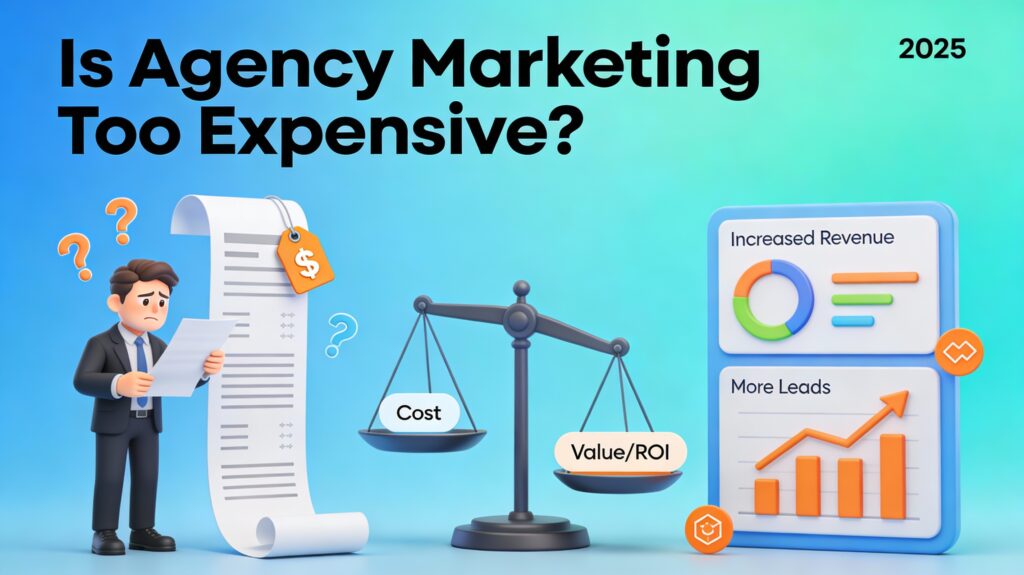
At first, agency marketing may feel costly. However, ineffective marketing costs more in the long run.
Money spent on ads that do not convert, time wasted learning tools, and missed opportunities add up quickly. Agency marketing reduces mistakes and improves efficiency.
It is not an expense. It is an investment in growth.
Who Should Use Agency Marketing?
Agency marketing is ideal for:
- Small businesses with limited time
- Startups looking for structured growth
- Growing brands that want consistency
- Businesses tired of unpredictable results
If your business depends on visibility and customer trust, marketing makes sense.
Why Smart Marketing Pays Off Over Time
In the beginning, investing in professional marketing can feel like a big decision. Results do not always appear overnight, and that can make businesses impatient.
However, unplanned efforts often lead to bigger losses. Budgets get used on campaigns that do not perform, time is spent learning tools instead of serving customers, and real opportunities are missed.
A well-structured marketing system brings focus and direction. Every activity has a purpose, every campaign is tracked, and improvements are made based on real performance. Over time, this creates consistency instead of confusion.
When marketing is handled with planning and discipline, growth becomes predictable. What once felt like a cost slowly turns into a valuable asset for the business.
Building Growth With Clarity and Consistency
Many businesses struggle not because they lack effort, but because their efforts are scattered. Different ideas are tried at different times, often without a clear direction.
When marketing follows a clear plan, everything starts to connect. Messaging stays consistent, actions support long-term goals, and progress becomes easier to track. This removes confusion and creates momentum.
Consistency also builds confidence—both for the business and for its audience. Customers begin to recognize the brand, understand its value, and trust it over time.
Growth rarely comes from one big action. It comes from small, well-planned steps repeated with discipline. With clarity and consistency, marketing stops feeling chaotic and starts delivering steady results.
Turning Effort Into Measurable Progress
Putting in effort is easy. Turning that effort into real progress is where most businesses struggle. Without clear measurement, it becomes difficult to know what is actually working.
When goals are clearly defined, results can be tracked and improved step by step. Small changes based on real performance often create better outcomes than constant major shifts in direction.
This approach also saves time. Instead of repeating the same mistakes, businesses learn from data and refine their actions. Over time, marketing becomes more predictable and less stressful.
Progress does not come from doing more. It comes from doing the right things consistently and improving them over time.
Adapting to Change Without Losing Direction
Markets, platforms, and customer behaviour change constantly. What worked a year ago may not work today, and following every new trend can quickly create confusion.
A clear marketing framework allows businesses to adapt without losing direction. Changes are made thoughtfully, based on performance and relevance, rather than pressure or panic.
This balance between flexibility and focus helps maintain steady progress. Instead of starting over repeatedly, businesses build on what already works and improve it gradually.
When change is managed with purpose, marketing remains stable even in an evolving digital environment.
Creating Trust Before Chasing Sales
Many businesses focus only on selling, but customers rarely buy from brands they do not trust. Before a purchase happens, there is always a phase of observation.
People check the website, read content, explore social media, and compare options. If the messaging feels unclear or inconsistent, trust breaks instantly.
A clear and well-planned marketing system helps build confidence before asking for action. When information is easy to understand and communication feels professional, customers feel more comfortable moving forward.
Trust does not come from loud promotion. It comes from clarity, consistency, and value.
Saving Time While Improving Quality
Time is one of the most limited resources for any business. When marketing is handled without a clear structure, it often consumes more time than expected.
Hours are spent deciding what to post, which tool to use, or which campaign to try next. This scattered effort reduces focus on core business activities.
A planned approach streamlines the process. Decisions are made faster, tasks are better organized, and quality improves without increasing workload. Over time, this creates balance between growth and efficiency.
Supporting Long-Term Business Goals
Short-term visibility is useful, but long-term growth requires patience and planning. Quick wins may feel good, but they rarely build a strong foundation.
A structured marketing approach aligns daily actions with long-term goals. Instead of chasing trends, businesses focus on steady improvement and brand positioning.
This alignment helps create stability. Growth becomes sustainable, and results continue even when campaigns pause or budgets shift.
Reducing Confusion in Decision-Making
When too many ideas compete at the same time, decision-making becomes difficult. Businesses often switch directions quickly, hoping for faster results, but this usually creates more confusion.
A clear marketing structure helps prioritize actions. Instead of reacting to every new trend, decisions are made based on relevance and performance. This reduces uncertainty and keeps efforts focused.
Clear decisions lead to better execution. Teams know what to do, why they are doing it, and how success will be measured.
Improving Communication Across Channels
Customers interact with brands across multiple platforms. When messaging feels different everywhere, trust weakens.
A unified marketing approach ensures communication stays consistent, whether it is on a website, social media, or advertising. Clear language and aligned visuals help create a strong and recognizable identity.
Consistency makes brands easier to remember and easier to trust.
Strengthening the Customer Journey
Every customer follows a journey before taking action. From discovery to decision, each step matters.
When marketing is planned properly, this journey feels smooth and logical. Information appears at the right time, questions are answered naturally, and users are guided without pressure.
A strong customer journey improves experience and increases the chances of meaningful engagement.
Creating Focus in a Crowded Market
Today, customers are exposed to countless brands every day. When messages look similar, attention is lost quickly.
A focused marketing approach helps businesses highlight what truly makes them different. Clear positioning allows the audience to understand value without confusion. Instead of trying to appeal to everyone, communication becomes more meaningful and targeted.
Focus improves recall. When people understand a brand clearly, they are more likely to remember it.
Final Thoughts
This approach is not a shortcut, and it is not magic. It follows a structured system that combines strategy, execution, and continuous improvement.
It helps businesses stop asking, “Why is this not working?”
And start asking, “How can we grow this properly?”
In a competitive digital world, it ensures your brand is not just present—but professional, visible, and trusted.
Comments are closed